

Wedding planning has a way of becoming overwhelming quite quickly. What often begins as a simple budget conversation can evolve into a long series of decisions, priorities, and recalibrations around what truly matters.
For many couples, this is the point where the wedding shifts from inspiration to reality — where clarity begins to replace possibility, and every decision starts to feel more intentional.
If you’re in that space, that feeling is completely normal.
This guide isn’t about doing less for the sake of spending less. It’s about bringing clarity to your priorities, and learning how to shape your budget around the experience you want to create.
When your spending is intentional, everything else naturally becomes more considered, more cohesive, and far more aligned with how you want the day to feel.
Begin With What Matters Most
Before anything else, take a moment separately to reflect on:
- Your top 3 non-negotiables
- 3 elements you feel indifferent about
Then compare your lists.
This simple exercise often becomes the clearest foundation for decision-making. It allows you to consciously direct your budget toward what matters most, while gently letting go of what doesn’t.
A wedding doesn’t need everything — just the right things, chosen with intention.
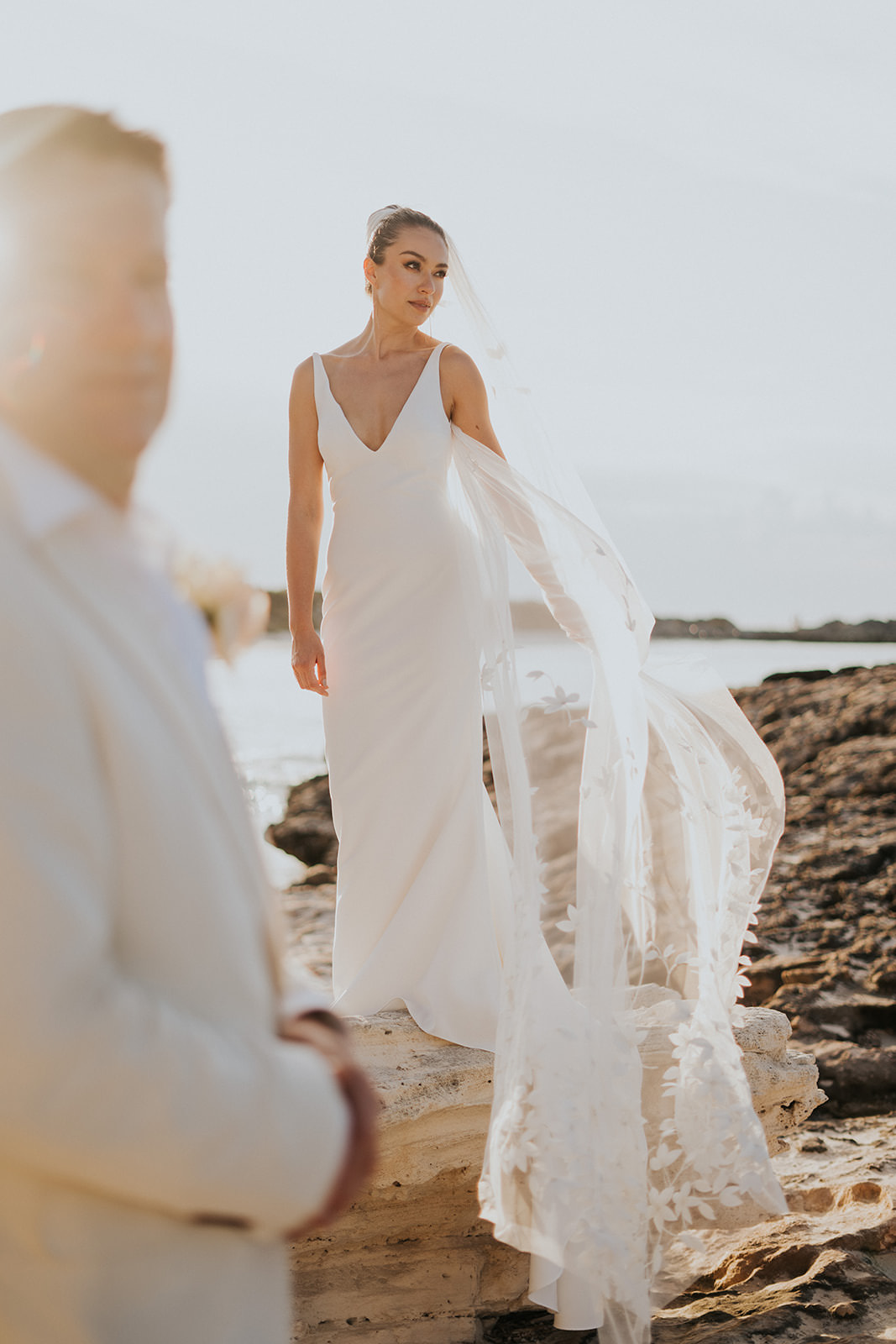
And while I may be slightly biased, photography is one of the few elements that continues to hold meaning long after the day has passed.
Keep the Essence Simple
It’s easy to feel pressure around what a wedding “should” include, but at its core, the essence is beautifully simple.
All that’s truly required is:
- A licensed celebrant
- Two witnesses
- The two of you
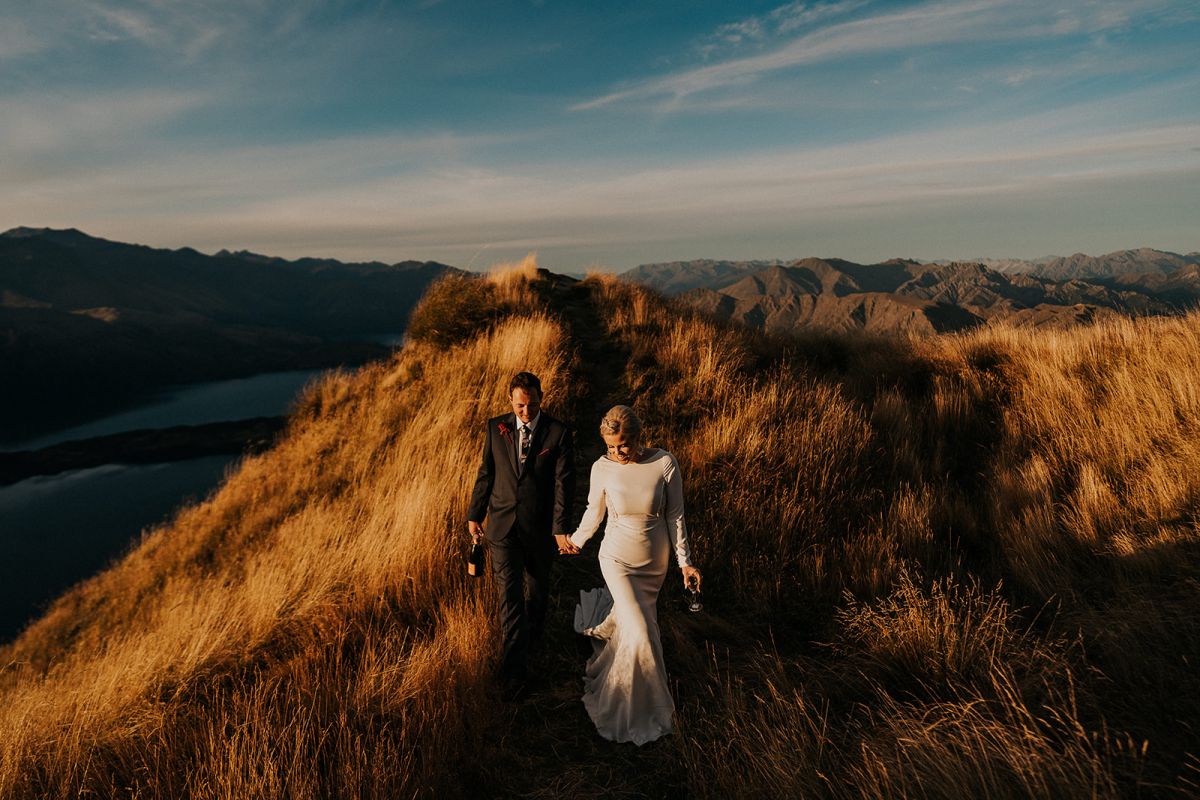
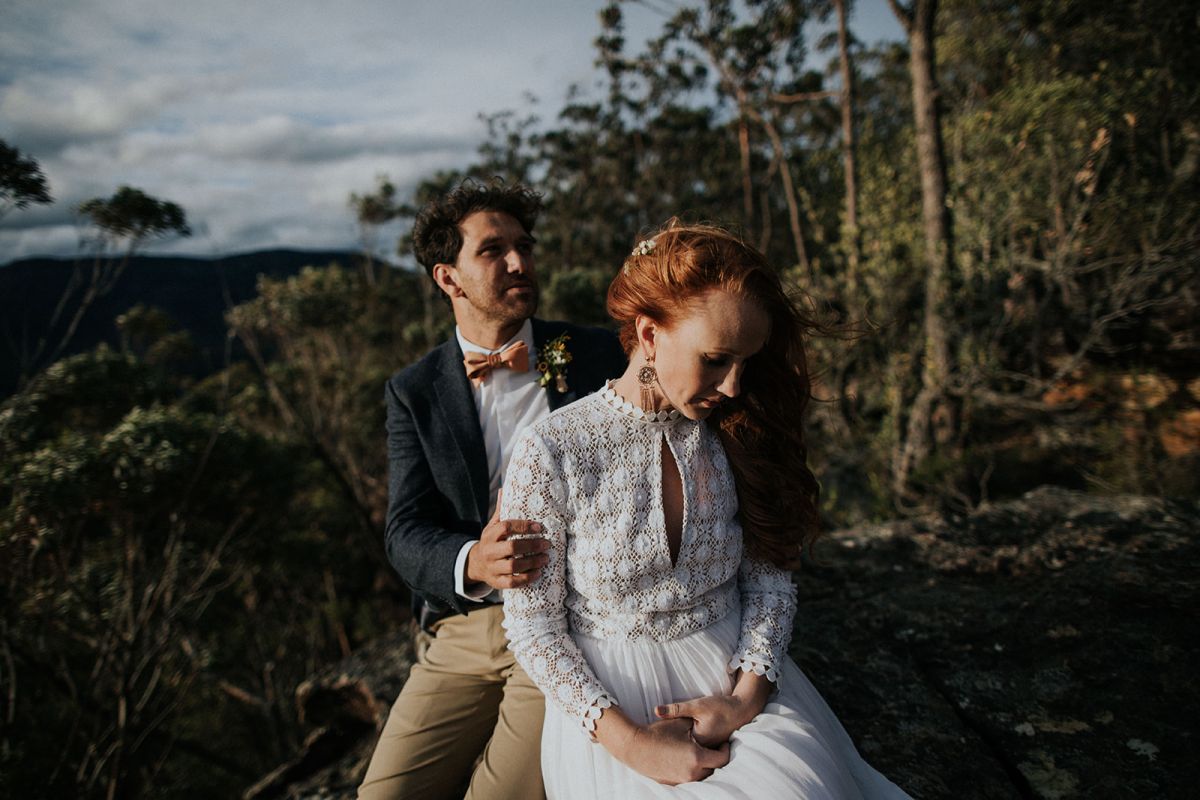
Everything else is an extension of your story — not a requirement. After photographing hundreds of weddings, looking back through them to ones that have lasted without dating and still leave a lasting impression on my mind are the simple, bold, classic weddings where the priority was on enjoying a day filled with laughter and joy, and a day that reflected the couple.
Choose a Venue That Works for You
One of the most effective ways to create ease in your planning is choosing a venue that naturally supports multiple parts of the day.
Having your ceremony and reception in one location can create a more seamless experience, while also reducing unnecessary logistics such as transport, duplicated styling, and setup complexity.
It also allows your day to unfold more naturally, with space to be present rather than moving between locations.
Let the Location Carry the Aesthetic
A thoughtfully chosen setting can significantly reduce the need for extensive styling.
Venues with strong natural light, architectural character, or beautiful surroundings often require very little additional design.
In these spaces, restraint becomes part of the aesthetic — allowing the environment to do much of the visual storytelling.
Lighting, in particular, is often the most understated yet impactful investment when creating atmosphere.
Reconsider the Bridal Party
Bridal parties are often one of the most emotionally meaningful parts of a wedding — but they can also become more complex than necessary.
Simplifying expectations can create a more relaxed experience:
- Allow individual styling rather than matching outfits
- Reduce formal roles where they don’t feel necessary
- Focus on presence over production
Often, this leads to a more natural dynamic throughout the day, both in experience and in imagery.
Invest With Intention
Every wedding involves decisions around where to invest more and where to scale back.
The key is not to avoid cost — but to direct it thoughtfully.
Certain elements, particularly those that hold long-term meaning, are worth prioritising. Photography is often one of these, as it becomes the lasting record of everything that unfolds.
Rethink Invitations
Paper invitations can be beautiful, but they are not essential to the experience of your wedding.
Alternatives include:
- Digital invitations (e.g. Paperless Post, Greenvelope)
- A single printed suite for keepsakes or styling
- Custom designs created through platforms like Canva
- A wedding website like WithJoy
A dedicated wedding email can also simplify communication and RSVPs, keeping everything in one place.
Be Considered With Your Guest List
Your guest list is one of the most influential factors in shaping both your budget and the overall atmosphere of your day.
A more intentional approach often includes:
- Inviting only those you both genuinely feel connected to
- Being mindful of plus-ones where appropriate
- Considering the atmosphere you want to create – friends/ work friends / parents friends / kids
Smaller, more intentional gatherings often feel more present, more connected, and more relaxed. (Although sometimes there’s no getting around 250 of your nearest and dearest, and you’ll still have a ball on the day!)
Explore Alternative Venues
Private properties, boutique stays, and thoughtfully designed holiday homes can sometimes offer a more flexible approach to hosting your wedding.
These spaces often allow for both accommodation and celebration in one place, creating a more immersive experience for guests.
As always, it’s important to confirm event permissions and logistics early in the process.
Simplify Where It Doesn’t Add Meaning
There are often elements included in weddings out of tradition rather than intention.
These might include:
- Elaborate guest favours
- Excessive signage or styling elements
- Highly formalised details that don’t reflect your priorities
Removing or simplifying these elements can create both financial and emotional clarity, without diminishing the experience.
Consider Pre-Loved & Thoughtful Sourcing
Weddings naturally involve many items used only once. Choosing thoughtfully can make a meaningful difference.
This might include:
- Purchasing and reselling décor after the day
- Sourcing second-hand pieces through platforms like Marketplace
- Borrowing or repurposing meaningful items
Be Intentional With Timing
The timing of your wedding can have a significant impact on availability and investment.
Options such as weekday weddings, off-season dates, or Sundays can offer more flexibility and breathing space throughout planning.
Reimagine Food & Beverage
Food and drink play a central role in the atmosphere of a wedding, but they don’t need to follow a traditional format.
Alternative approaches might include:
- Shared-style feasts
- Cocktail-style receptions
- Food trucks or curated casual dining
Often, these formats create a more relaxed and social environment.
Let Go of What Doesn’t Add Value
Not every traditional wedding element is necessary for every couple.
Sometimes simplicity can feel more aligned than excess.
It’s worth considering whether certain elements genuinely contribute to the experience you want to create, or whether they simply exist out of expectation.
Final Thought
A meaningful wedding isn’t defined by how much is included, but by how intentionally each element is chosen.
When you’re clear on what matters most to you, the rest of the decisions tend to fall into place with far more ease.
And in that clarity, the day becomes not just beautiful — but deeply personal, and entirely your own.


